Rodent and Wildlife Removal in The Village of Indian Hill
Request an estimate from local providers
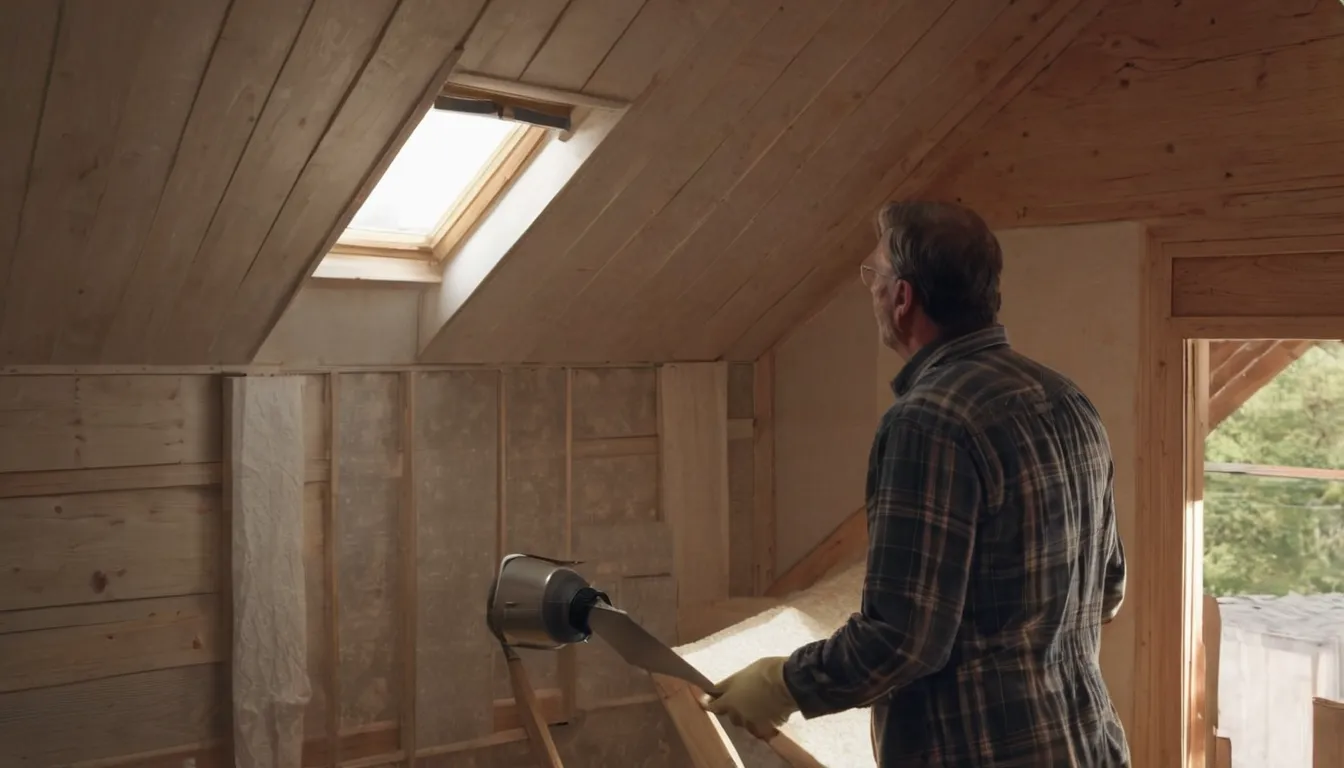
Finding mice in the pantry or a raccoon in the attic is stressful, especially if you have never hired anyone for it. The good news is that this is a common problem, and there is a clear path to fix it. A provider finds the animal, removes it, and closes the way in.
Hurtslogic Pest Control is a referral service. It does not do the work. It explains the basics, shows what drives the price, and connects you with independent providers in our network. You compare written quotes, ask fair questions, and pick what fits your home and budget. This page covers the warning signs, the steps, the rules, and the typical costs so you can plan with confidence.
Noises in the Attic or Walls? Start Here
Scratching overhead at night. Something running inside a wall. Droppings along the garage floor. If this is all new to you, relax. It is common, and you did nothing wrong.
Rodent and wildlife removal means getting the animal out of your home and closing the hole it used. Hurtslogic Pest Control is a referral service, so the work itself is done by independent providers in our network. Your job is to compare written quotes and choose.
Why Waiting Costs More
Mice breed fast. A few in fall can turn into a crowded wall by midwinter. Squirrels and raccoons tear insulation, and chewed wiring is a real fire risk.
Spring adds another deadline. A mother animal may have young inside, and removing her alone leaves babies behind. Acting early usually keeps the bill smaller. Many providers can respond quickly, but availability varies. Request a callback to check provider availability.
Signs You Have a Problem
What You Hear
- Scratching or scurrying at dusk and overnight
- Thumping or heavy steps in the attic, which often point to larger animals
- Chirping or squeaking from inside walls or the chimney
What You Smell and See
- Droppings near baseboards, in cabinets, or on attic insulation
- Greasy rub marks along walls
- Gnawed wires, boxes, or wood
- A sharp musky odor, or a sweet rotting smell if an animal died in a wall
- Torn vent screens, chewed soffits, or holes near the roofline
Animals Providers Commonly Handle
The animal decides the method, so a good provider starts by naming it. Common ones include:
- House mice and Norway or roof rats
- Squirrels, including those nesting in attics
- Raccoons, skunks, and opossums under decks, porches, and sheds
- Bats, which have extra protections in many areas
- Birds nesting in vents and chimneys
How the Work Usually Goes
Inspection
The provider checks the attic, crawl spaces, basement, and outside walls. They look for entry points and signs of how many animals are present.
Removal
Methods include traps, one-way doors, and exclusion devices. The right choice depends on the species and the time of year.
Sealing Entry Points
This step matters most. Without it, new animals simply move in. Expect steel mesh, flashing, and repairs to gaps, vents, and roof edges.
Cleanup
Droppings and soiled insulation can need removal and sanitizing. Ask whether this is in the quote or priced separately.
Humane Handling and Local Rules
Rules differ by state and town. Some animals are protected, some can only be handled in certain seasons, and moving an animal elsewhere may be limited or not allowed. Bats are a common example.
You do not need to memorize any of this. Ask the provider how they follow local wildlife rules and whether they are licensed where that is required. A clear answer is a good sign.
What Drives the Price
Price the whole job, not just the first visit. The main factors are:
- The animal and how many there are
- How hard the entry points are to reach, such as a steep roof
- The number of repairs and seal-up work
- Cleanup and insulation needs
- Follow-up visits to confirm the animals are gone
Compare Written Quotes
Get at least two quotes in writing. Ask each provider:
- What exactly is included, and what costs extra?
- Is there a follow-up visit, and how long does the work last?
- Are repairs and cleanup in the price?
- How are animals handled humanely?
A quote that looks like a bargain may skip sealing, which brings the animals back. A fair quote spells it out.
Plan Around the Seasons
Cold winters with deep frost push mice and rats into warm basements and attics. Expect more calls in fall. Spring brings nesting animals, and spring flooding can drive rodents indoors from wet yards. Hot, humid summers keep raccoons and squirrels active around roofs, and hail damage can open new gaps.
A quick fall check of your roofline and foundation is less costly than a winter repair.
Keeping Animals Out Afterward
Older frame houses, bungalows, and ranch homes often have small gaps at soffits, siding, and sill plates. A few habits help:
- Seal gaps larger than a quarter inch with steel mesh or metal
- Keep sump pump covers and basement vents snug
- Trim branches back from the roof
- Store pet food and birdseed in sealed bins
- Use tight-lidded trash cans
Ready for Your Next Step?
You do not have to figure it all out alone. Request an estimate, read the quotes side by side, and ask any question you like. Basic questions are welcome.
What's Included
Inspection and Diagnosis
A provider finds the animal, locates the entry points, and explains what they see in plain words.
Humane Removal
Traps or one-way doors, chosen for the animal and the season.
Sealing Entry Points
Gaps, vents, and roof edges are closed so animals cannot return.
Cleanup and Repairs
Some providers also clean droppings and replace damaged insulation, often priced separately.
Typical Rodent and Wildlife Removal Costs
Prices vary by animal, home, and how much repair is needed. These are typical U.S. ranges only. Compare written quotes and ask what is included before you decide.
| Item | Typical range | Notes |
|---|---|---|
| Inspection | $100 – $300 | Some providers apply it to the job price |
| Mouse removal | $200 – $700 | Often needs a follow-up visit |
| Rat removal | $300 – $1,200 | Depends on the size of the infestation |
| Squirrel or raccoon removal | $300 – $1,000 | Higher with young animals inside |
| Sealing entry points | $200 – $2,000 | Varies with roof height and materials |
| Attic cleanup and insulation | $500 – $6,000 | Depends on the area and the damage |
How It Works
Describe the Problem
Tell us what you hear or see, where it happens, and when. Rough notes are fine.
Compare Written Quotes
Providers in our network share what is included, so you can compare fairly.
Choose Your Provider
Pick the quote that fits your home and budget, and schedule the visit.
Seal Up and Follow Through
The provider removes the animal, closes the entry points, and checks that it worked.
Why Call Hurtslogic Pest Control
Plain-Language Guidance
Clear steps and simple terms for homeowners who have never hired a provider before.
Cost Clarity
See what drives the price so quotes make sense side by side.
Local Providers
Independent providers in our network who know area homes, weather, and rules.
No Pressure
Compare quotes and ask questions. There is no obligation to hire anyone.
Other Services
Need rodent and wildlife removal in The Village of Indian Hill?
Request an estimate and a local provider in our network can reach out. You can also use the contact page to ask a question first. There is no obligation.
No obligationRodent and Wildlife Removal FAQ
How much does it cost to remove mice or squirrels from my house?
Typical U.S. costs run from a couple hundred dollars for mice to around a thousand for squirrels or raccoons. Sealing and cleanup add more. Prices vary by job, so get written quotes.
Should I try to trap wild animals in my attic myself?
It is usually wiser to hire a provider. Local rules may limit trapping, animals can bite or carry disease, and young may be left behind. A provider also seals the entry holes, which prevents a repeat.
Does homeowners insurance cover damage from rodents or wildlife?
Policies differ. Some may cover sudden damage, but many exclude damage from rodents or long-term infestations. Check your policy, and ask providers whether they can help document damage for a claim.
Tell us what happened
Request an estimate and a local provider in our network can reach out. You can also use the contact page to ask a question first. There is no obligation.
No obligation