Termite Treatment for Homeowners in The Village of Indian Hill
Request an estimate from a local provider
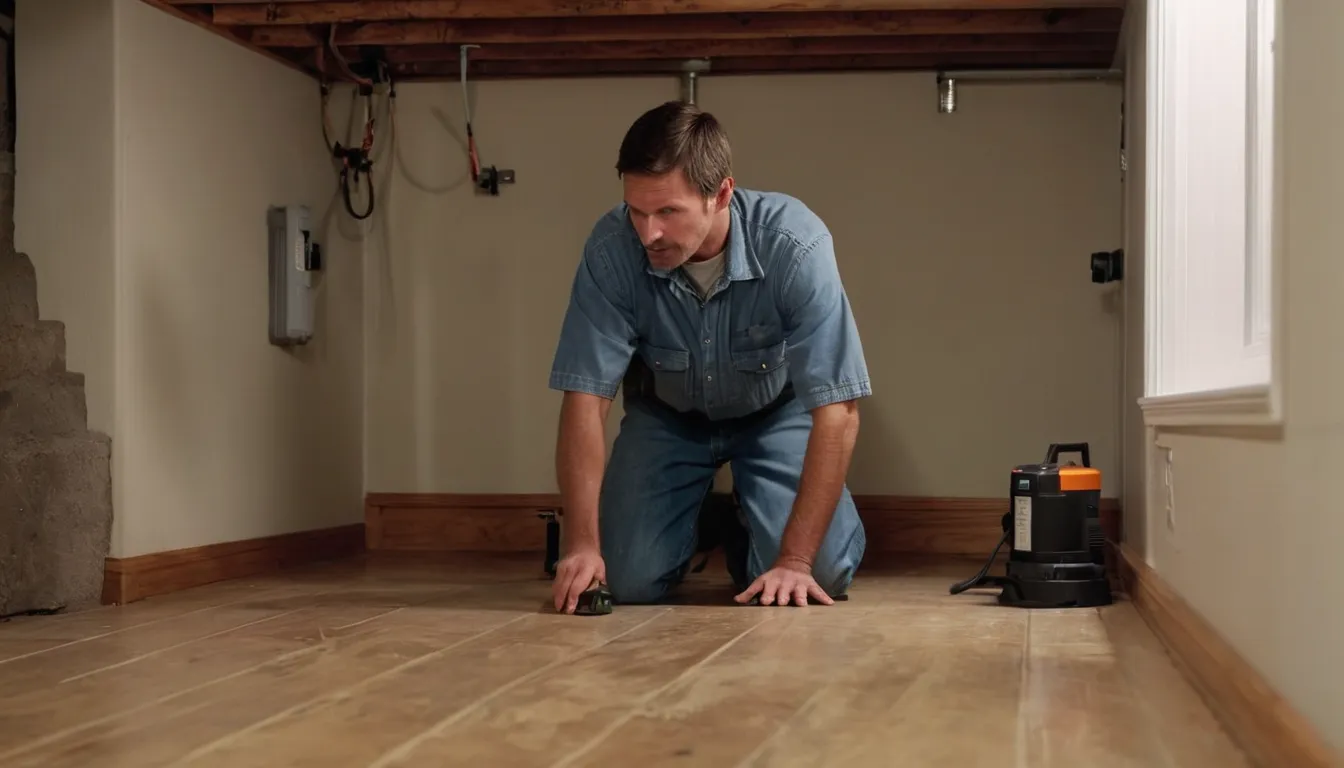
Termites eat wood from the inside, so a small sign can point to a bigger problem. If this is your first time dealing with them, the process can feel confusing. It does not have to be. Most homes can be treated, and a clear plan keeps the cost fair.
Hurtslogic Pest Control is a referral service. We do not treat homes ourselves. We explain the basics, show what changes the price, and connect you with independent providers in our network. You compare written quotes, ask your own questions, and pick the plan that fits your house and your budget.
Think You Have Termites? Start Here
Maybe you saw mud tubes in the basement. Maybe a window sill felt soft, or tiny wings were piled on the floor. Stay calm. Termites are common, and they can be treated. This page is a plain guide for people who have never hired anyone for this.
The first step is simple. Get the home checked, then price the whole job.
Why Termites Need Prompt Attention
Termites work quietly. They eat wood from the inside and leave the surface looking fine. That is why people often find them late.
Slow Damage, Real Bills
One season of feeding rarely brings a house down. But months and years add up. Floor joists, sill plates and wall studs can weaken. Waiting usually means a bigger repair bill later, on top of the treatment itself.
Know the Warning Signs
You do not need to be an expert. A few clues are easy to spot.
Signs Inside the House
- Wood that sounds hollow when you tap it
- Paint that bubbles or sags on a wall
- Tiny wings near windows or doors
- Doors and windows that suddenly stick
Signs Outside and in the Basement
- Pencil-wide mud tubes on foundation walls
- Damaged wood near the ground
- Small piles of pellets that look like sawdust
Take a photo of anything odd. Providers find photos useful when they plan a visit.
Types of Termites
The type matters because it changes the treatment and the price.
Subterranean Termites
These live in soil and travel up into the house. They are the most common type in colder states. Older frame houses, bungalows and ranch homes with basements or crawl spaces can give them easy paths in.
Drywood and Dampwood Termites
Drywood termites live inside the wood itself. Dampwood termites like wet wood. A leaky pipe, a wet sill or flood-soaked framing can invite them. A provider can tell you which one you have.
Plan Around the Seasons
Cold winters with deep frost slow termites down, but they do not always leave. Colonies can shelter deeper in the soil or near a warm foundation. Hot, humid summers wake them up. Spring is when many winged termites appear.
Spring flooding and a damp basement can add moisture, which helps termites. Many homeowners schedule inspections in spring or fall. Still, if you see signs, do not wait for the "right" month. Ask providers what is practical for your soil and weather.
How Termite Treatment Works
A provider starts with an inspection. They look at the foundation, the basement, crawl spaces and any wood near soil. Then they suggest a method.
Liquid Barrier Treatment
The provider treats the soil around the foundation. This forms a zone that termites must cross. It often involves trenching, and sometimes drilling through concrete slabs or basement floors.
Bait Systems
Stations go into the ground around the home. Termites feed on the bait and carry it back to the colony. This method takes longer, and the provider checks the stations over time.
Spot and Wood Treatments
For drywood termites, a provider may treat the affected wood directly. Large infestations can need more work. Ask why a method is being suggested.
What Drives the Price
Several things change a quote. Home size, the number of linear feet around the foundation, the type of termite, and how hard the house is to reach all matter. A finished basement can cost more to treat than an open one.
Price the whole job. Ask what is included, such as inspection, treatment, follow-up visits and any repair of drilled holes. Cost details are in the table on this page.
Termite Inspections for Home Sales
Buying or selling? Lenders and buyers often ask for a termite inspection report. Rules vary by area and loan type, so ask your agent what applies.
If a report shows activity, you can usually get quotes before closing. That gives you facts to use when you talk about repairs or price.
Choosing a Termite Provider
Do not take the first quote you see. Compare written quotes from at least two or three providers in our network. Look at the scope, not just the total.
Questions Worth Asking
- Is the provider licensed in your state?
- What method is suggested, and why?
- What does the quote include, and what is extra?
- How long does any warranty last, and what voids it?
- Are renewals or yearly checks needed?
A fair provider welcomes basic questions.
After Treatment
Expect a few simple tasks. Keep soil and mulch away from siding. Fix leaks. Keep gutters clear so water flows away from the foundation.
Keeping Termites from Coming Back
Store firewood away from the house. Watch for new mud tubes. Schedule yearly inspections if your plan calls for them. Some policies may cover sudden damage, but termite damage is often treated as maintenance, so check your policy. Providers can often help document damage for a claim.
What's Included
Home Inspection
A provider checks the foundation, basement, crawl spaces and nearby wood to find signs of activity.
Written Quote
You receive a clear, itemized quote so you can compare plans and prices.
Treatment Plan
The provider explains the method, such as soil barriers, bait stations or spot treatment.
Follow-Up Checks
Many plans include return visits or yearly inspections, so ask what your quote covers.
Typical Termite Treatment Costs
Prices vary by home size, termite type and method. These are typical U.S. ranges only. Get written quotes from a few providers and compare what each one includes.
| Item | Typical range | Notes |
|---|---|---|
| Termite inspection | $75 – $300 | Some providers include it with treatment |
| Liquid soil barrier | $1,200 – $3,500 | Depends on foundation length and access |
| Bait station system | $1,500 – $3,500 | Often includes monitoring visits |
| Spot or wood treatment | $250 – $1,000 | Used for small, local problems |
| Drywood treatment | $1,000 – $3,000 | Larger infestations can cost more |
| Annual monitoring plan | $200 – $500 per year | Check what the plan covers |
How It Works
Request an Estimate
Send a short request describing what you saw and where, with photos if you have them.
Get Matched
We connect you with independent providers in our network who handle termites.
Compare Quotes
Review written quotes side by side and ask about methods, scope and warranty.
Choose and Schedule
Pick the plan that fits your home and budget, then set a visit.
Why Call Hurtslogic Pest Control
Plain, Simple Guidance
We explain termites in everyday words, so first-time homeowners know what to ask before they hire.
Price Clarity
See what drives cost and learn to compare written quotes line by line.
Local Providers
Independent providers in our network know local soil, weather and older home styles.
No Pressure
You choose the provider and plan, and ask any question you like.
Other Services
Need termite treatment in The Village of Indian Hill?
Request an estimate and a local provider in our network can reach out. You can also use the contact page to ask a question first. There is no obligation.
No obligationTermite Treatment FAQ
How do I know if I have termites or carpenter ants?
Termites leave mud tubes and have straight, thick bodies. Carpenter ants leave clean, smooth tunnels and have a pinched waist. A provider can confirm which pest you have during an inspection.
How much does termite treatment cost for a house?
Many U.S. homeowners see quotes from about $1,200 to $3,500 for common treatments. Home size, termite type and method change the price. Compare written quotes from a few providers and check what each includes.
Can I treat termites myself?
Store-bought products rarely reach the whole colony. Professional methods are more thorough. Ask providers what they would do and how it compares with do-it-yourself options.
Tell us what happened
Request an estimate and a local provider in our network can reach out. You can also use the contact page to ask a question first. There is no obligation.
No obligation